Compliance Course in Australia provides the knowledge and skills to promote effective governance and integrity.
Challenges Professionals Face:
- Developing an appreciation of the compliance responsibilities of various roles and functions
- Embedding compliance in workplace practices and behaviours through Compliance Course in Australia
- Recognising and escalating issues effectively and promptly
- Promoting a culture of compliance as a collective responsibility, rather than a compliance box-ticking exercise
- Responding to the ever-changing governance landscape within the business by joining Compliance Course in Australia
About This Course
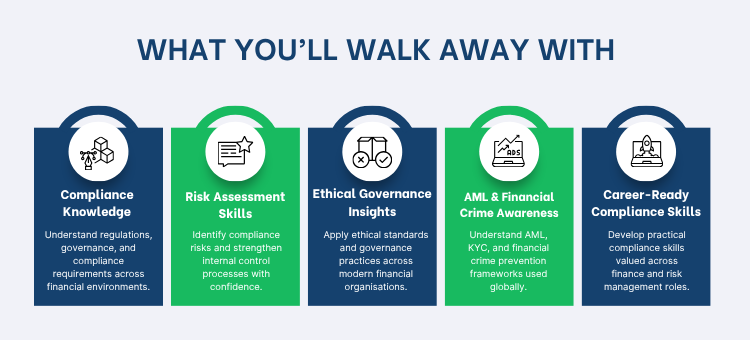
Riverstone’s Compliance Course in Australia offers practical learning into the nature of compliance within organisations, and its relevance in the workplace. The compliance course explores key compliance principles, the role of governance, how to recognise and understand compliance obligations and the attitudes and practices that underpin a strong compliance culture. The course does not focus on industry-specific rules and regulations, but rather equips participants with the knowledge and skills they need to work towards a compliant mindset in any industry or business setting. Delegates gain a strong understanding of their role and have the skills to do the right thing, every time at work.
This Compliance Course in Australia is suitable for professionals at any level and across any function, from frontline staff to team leaders and managers, who want to strengthen their understanding of compliance as it applies to their day-to-day responsibilities. In today’s environment, where regulatory expectations are increasing and the reputational consequences of non-compliance can be significant, building a genuine culture of compliance is no longer something that can be left to a dedicated compliance team alone. By developing a shared sense of accountability and equipping staff with the tools to recognise, manage, and escalate compliance issues effectively, through Compliance Course in Australia, organisations are better positioned to reduce risk, protect their reputation, strategic finance team training and operate with integrity across every level of the business.